SAAB 9226028 Hatch Weatherstrip Hatchback
fits model: 900, Classic. make: Saab. year: 1989.
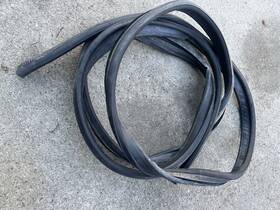
( Manufacturer Part Number: 9226028 ), ( Attachment Type: Clip-on ), ( Placement On Vehicle: Rear ), ( Country Of Origin: Sweden )
Review SAAB Hatch Weatherstrip Hatchback fits CLASSIC 900 1989
The **Saab 900 Hatchback (1989) Weatherstrip (Part #9226028)** is a meticulously engineered replacement component designed to restore the factory-sealed integrity of your classic Saab, ensuring optimal weather resistance and interior protection. This high-quality rubber weatherstrip is crafted to fit the lower body panels of the 1989 Saab 900 hatchback, a model known for its distinctive blend of Scandinavian design and engineering precision. The strip features a durable, flexible rubber compound that resists cracking, warping, or degradation from exposure to harsh weather conditions, UV rays, or temperature fluctuations critical factors for maintaining the longevity of your vehicle s exterior. Its precise dimensions and contour align seamlessly with the original bodywork, eliminating drafts, road debris intrusion, and water seepage that can compromise the car s structural integrity and interior comfort. Whether you re preserving a showroom-worthy classic or restoring a well-loved daily driver, this weatherstrip is an essential upgrade that bridges the gap between functionality and aesthetics, ensuring your Saab remains both weatherproof and visually authentic. Ideal for restorers, enthusiasts, and mechanics seeking OEM-level performance, this part exemplifies the attention to detail that keeps Saab s legacy of reliability and craftsmanship intact.
Buying a **Saab 900 (1989 model) with the 26028 engine and a weatherstripped hatchback** can be an interesting proposition, especially for enthusiasts of classic Scandinavian design and engineering. Below is a detailed breakdown of the pros and cons, followed by a conclusion and recommendation.
---
### **Pros of Buying a 1989 Saab 900 Hatchback (26028 Engine)**
1. **Distinctive Scandinavian Design**
The Saab 900 is renowned for its unique, aerodynamic styling, which was ahead of its time. The 1989 model retains much of the original 1978 1994 design language, offering a blend of functionality and bold aesthetics. The hatchback variant adds practicality with its rear cargo space.
2. **Reliable and Well-Engineered Turbocharged Engine**
The **26028 engine** (a 2.0L turbocharged inline-four) is a robust powerplant when maintained properly. Saab s turbocharged engines from this era are known for their durability, especially when the turbo and fuel system are well cared for. With proper servicing, it can easily last 200,000 miles.
3. **Good Handling and Driving Dynamics**
Saab s chassis design prioritized safety and handling, giving the 900 a surprisingly nimble and stable ride for its size. The independent suspension and front-wheel-drive layout make it more engaging to drive than many contemporaries, particularly in the hatchback variant, which has a lower center of gravity.
4. **Classic Saab Features**
The 900 includes several innovative features for its time, such as:- **Pop-up headlights** (though later models often had fixed lights).
- **Unique interior materials**, including the iconic "Saab orange" accents and high-quality trim.
- **Safety-focused design**, such as a strong frame and early seatbelt pre-tensioners.
- **Manual or automatic transmission options**, with the latter being relatively smooth for its era.
5. **Modding and Customization Potential**
The Saab 900 has a strong aftermarket support, particularly for the turbocharged models. Owners can easily upgrade components like:- **Turbochargers** (e.g., Garrett or BorgWarner upgrades).
- **Intercoolers** for better cooling efficiency.
- **Exhaust systems** for improved flow.
- **Suspension upgrades** (e.g., coilovers, sway bars) to enhance handling.
- **Interior modifications** (e.g., leather seats, modern infotainment).
6. **Fuel Efficiency for a Turbocharged Car**
While not as efficient as modern cars, the 26028 engine in a well-tuned condition can achieve around **20 25 MPG (city/highway combined)**, which was decent for a turbocharged car in the late '80s/early '90s. With modern fuel injection upgrades, efficiency can improve further.
7. **Strong Community and Enthusiast Support**
The Saab 900 has a dedicated following, with forums (e.g., Saab900.org, ClassicSaab.com), clubs, and meetups where owners share knowledge, parts, and restoration tips. This makes troubleshooting and finding rare parts easier.
8. **Potential for Low Cost of Ownership (If Well-Maintained)**
Parts for the 900 are still relatively affordable compared to more exotic classics, though some aftermarket or rare components (e.g., specific turbochargers) can be pricey. Labor costs may be higher in some regions due to the car s niche status.
9. **Nostalgia and Unique Status**
Owning a Saab 900, especially a well-preserved 1989 hatchback, gives you a piece of automotive history. The car stands out on the road, making it a conversation starter and a proud possession for enthusiasts.
10. **Convertible Potential (If Desired)**
While not a convertible, the hatchback s design could theoretically be adapted for a soft-top conversion by an experienced builder, adding to its appeal for those who want a more open-air experience.
---
### **Cons of Buying a 1989 Saab 900 Hatchback (26028 Engine)**
1. **Rust and Structural Issues**
One of the biggest drawbacks of any classic Saab is **rust**. The 1989 model is not immune, particularly in areas like:- **Wheel arches**
- **Rocker panels**
- **Floor pans**
- **Suspension components** (e.g., control arms, subframes)
Rust can compromise structural integrity, leading to costly repairs if not addressed early. A thorough inspection (or a rust-free example) is critical.
2. **Turbocharger and Fuel System Reliability**
While the 26028 engine is robust, **turbochargers** from this era are notorious for failing if not maintained properly. Common issues include:- **Turbo wastegates seizing** (leading to overboost or no boost).
- **Fuel injectors clogging** (due to poor-quality fuel or lack of maintenance).
- **Vacuum leaks** (common in older Saabs, causing rough idling or stalling).
Regular turbo flushes, injector cleaning, and fuel system upgrades (e.g., modern injectors) are often necessary.
3. **Electrical Gremlins**
Saabs from this era are infamous for **electrical problems**, including:- **Faulty wiring harnesses** (especially in the engine bay).
- **Intermittent issues** with lights, windows, or accessories.
- **Alternator or battery failures** (common in older cars).
These issues can be frustrating and may require patience or professional diagnostics.
4. **Transmission Wear**
- **Manual transmissions** (if equipped) can develop synchro issues or rough shifting over time.
- **Automatic transmissions** (e.g., Saab s 4-speed or 5-speed automatics) are less common but can suffer from fluid leaks or internal wear.
Regular transmission fluid changes are essential.
5. **High Maintenance Costs**
While parts are available, labor costs can add up, especially if you need specialized Saab mechanics. Common maintenance items include:- **Timing belt and water pump replacement** (critical for the 26028; typically every 60,000 100,000 miles).
- **Suspension rebuilds** (shocks, struts, bushings wear out over time).
- **Brake system upgrades** (original discs and pads are basic; modern upgrades improve performance).
6. **Limited Modern Comforts**
The 1989 Saab 900 lacks modern amenities such as:- **Air conditioning** (common in later models but rare in early 900s).
- **Cruise control** (optional in some trims but not standard).
- **Modern infotainment** (no Bluetooth, USB, or touchscreens).
- **Advanced safety features** (e.g., stability control, modern airbags).
These may be dealbreakers for daily drivers who prioritize convenience.
7. **Resale Value and Market Demand**
Saabs, in general, have struggled with resale value due to their niche appeal. While a well-maintained 900 can hold its value among enthusiasts, it may not appreciate as quickly as more mainstream classics (e.g., BMW 2002, Volkswagen Golf Mk1).
8. **Weatherstrip Condition**
The mention of a **weatherstripped hatchback** suggests the car may already have some wear or damage to its seals. While this can be a minor cosmetic issue, it may indicate neglect in other areas (e.g., rust, paintwork). Ensure the weatherstripping is functional and not a sign of broader neglect.
9. **Driving Experience Limitations**
- **Heating/ventilation system** can be inefficient, especially in cold climates.
- **Seats** may lack modern support, leading to discomfort on long drives.
- **Noise levels** can be higher than modern cars, particularly with worn suspension or body panels.
10. **Finding a Reliable Example Can Be Challenging**
Many 1989 Saab 900s have been neglected or poorly maintained. It can take time to locate a **project-worthy** example that hasn t been abused. Buyers often need to be prepared for a significant investment in restoration or repairs.
---
### **Conclusion**
The **1989 Saab 900 hatchback with the 26028 engine** is a compelling choice for **enthusiasts who appreciate classic Scandinavian design, turbocharged performance, and the challenge of maintaining a unique car**. It offers a blend of driving dynamics, modding potential, and a strong community, making it ideal for those who prioritize enjoyment over practicality.
However, it is **not a plug-and-play classic**. Buyers should be prepared for **higher maintenance costs, potential rust issues, and electrical quirks**. The car is best suited for:
- **Weekend drivers** who enjoy tinkering and restoring.
- **Enthusiasts who value driving dynamics and modding over daily convenience**.
- **Owners willing to invest time and money
Details:
Made by Saab, this weatherstrip provides a secure fit and protection for the glass window parts of car, ensuring snug seal to keep out water noise. This genuine Saab accessory is essential for maintaining the integrity and functionality of Classic 900 Hatchback. The Hatch Weatherstrip for the 1989 Saab Classic 900 Hatchback is a clip-on attachment designed specifically rear placement on body of vehicle.
part #: 9226028 price
- $45.00
specifications vintagwinde:
- for models: 900, Classic
- for makes: Saab
- for years: 1989
- mpn: 9226028
- attachment type: Clip-on
- placement on vehicle: Rear
- country of origin: Sweden
offer vintagwinde:
- sold: 0
- quantity: 1
- availability: In Stock
- options: Ship-to-home
- started: March 7, 2026
general vintagwinde:
- condition: Used
- Exterior Parts Accessories > Glass Window Parts > Window Seals, Gaskets Trims
shipping vintagwinde:
- transit: 5-11 Days
- class: Economy, Expedited
- service: UPS Ground Saver, FedEx Ground Economy, USPS Priority Mail, USPS Priority Mail Medium Flat Rate Box
- carrier: UPS, FedEx, USPS
- cost: $17.54
- type: Calculated
payments vintagwinde:
- credit card: Mastercard
- other
- wallet: Apple-pay
returns vintagwinde:
- policy: Returns Accepted
- time: 30 Days
- paid by: Seller
seller vintagwinde:
- # reviews: 151
- city: Boise, Idaho
- rating: 100.0%
Saab 9226028 Is Similar To:
- Saab 6926646 81 93 Classic 900 4d Sedan Right Rear Window Glass Rubber Scraper Seal (39.2% similar) This will fit the classic saab 900 4 door sedan model's from 1981 - 1993 . The rubber scraper although a little hard, with minor nick is in good condition on this one. This trim is for the classic saab 900 4 door sedan right rear sliding window outer rubber scraper sealing strip to glass...(March 27th, 2025)